

You change the cat litter sand when it smells. But is that already too late? And how much cleaning is too much? A clean litter box affects more than the freshness of your HDB flat. Cats may avoid a dirty box, while poor hygiene can expose them to soiled material and make changes in their toilet habits harder to spot.
The right cleaning schedule depends on the litter material, the number of cats in your home and how often they use each box. Here is a practical routine you can follow.
In this guide:
The Basics: Scooping vs Full Changes
Scooping and changing the litter are two different tasks.
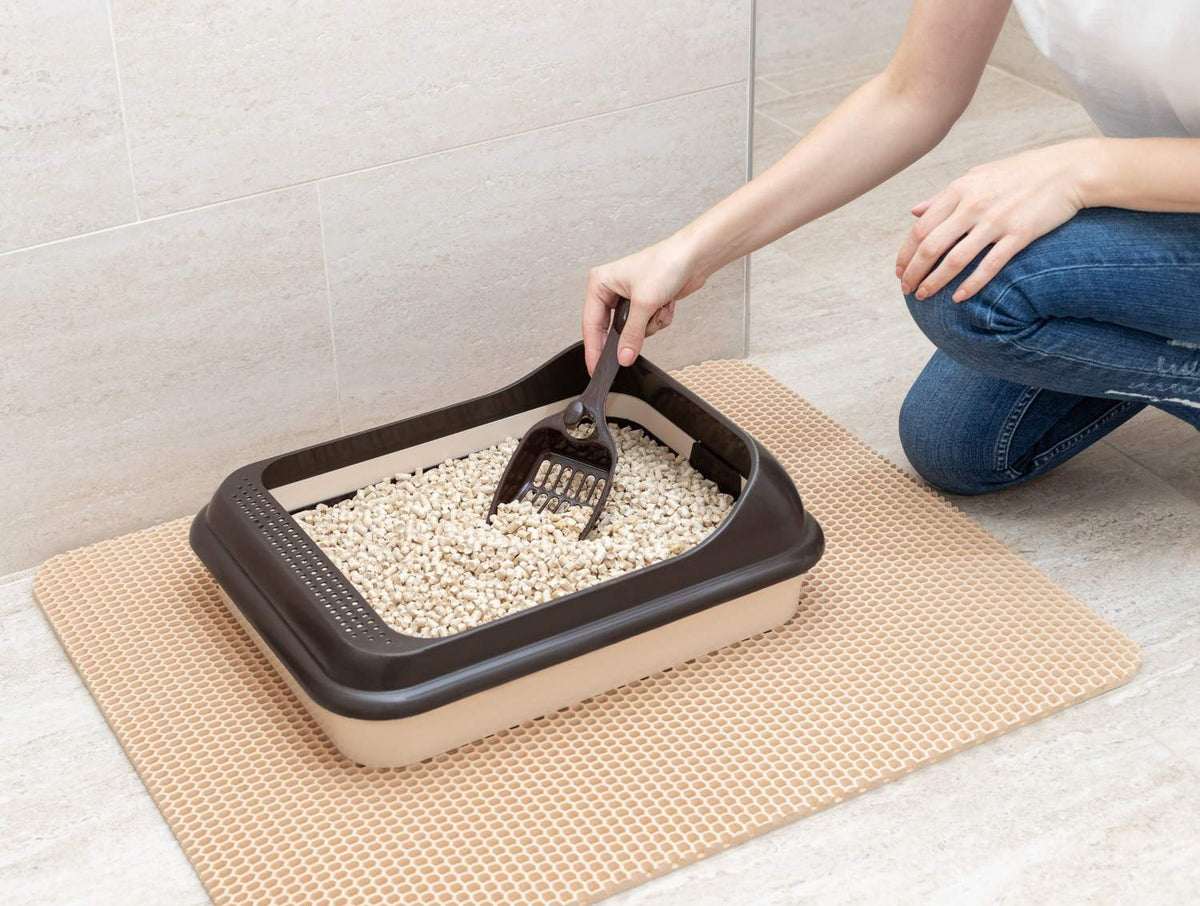
Scooping means removing urine clumps and solid waste while leaving clean material in the box. You should do this at least once a day. Twice daily is better, especially in Singapore’s warm weather.
A full change involves emptying the box, washing it and adding a fresh layer. Daily scooping delays the need for this deeper clean, but it does not replace it.
Many owners remove visible waste and assume the box is clean. Small soiled pieces can remain beneath the surface, while odour and residue gradually collect inside the tray.
Build scooping into an existing routine. You could check the box when you serve breakfast and dinner. This makes litter care as regular as restocking cat food in Singapore.
Recommended Full Change Frequency by Litter Type
Use the instructions on your product as your main guide. If the packaging does not provide a clear schedule, start with the following:
| Litter type | Recommended full change | What to watch |
|---|---|---|
| Tofu litter | Every 2 to 4 weeks | Crumbling pellets, weaker clumps or lingering odour |
| Bentonite clay | Every 2 to 3 weeks | Broken clumps, dust and litter stuck to the tray |
| Paper pellets | Every 1 to 2 weeks | Damp, swollen or visibly soiled pellets |
| Silica crystals | Every 3 to 4 weeks | Saturated crystals, odour or a colour change |
Tofu litter absorbs odour and forms scoopable clumps, helping the clean material last longer. Bentonite also clumps firmly, but a full change every two weeks may work better in a warm, enclosed flat.
Paper pellets absorb liquid but usually do not form compact clumps. Damp material can therefore accumulate more quickly. Silica crystals last longer because they absorb a considerable amount of moisture, although you still need to remove solid waste daily.
Treat these timeframes as starting points. Replace the cat litter sooner if the box remains damp, smells after scooping or no longer forms reliable clumps.
Not sure which litter type is right for your HDB flat? Read our guide on tofu litter vs bentonite cat litter to compare dust, odour control, cost and tracking before committing to a type.
Adjustments for Multiple Cats
A useful rule is one litter box per cat, plus one extra. If you have two cats, aim to provide three boxes in separate, accessible areas.
For a multi-cat household, scoop each box twice daily and perform full changes about 25% more frequently. More cats mean more waste, and Singapore’s humidity can make ammonia odours noticeable sooner.
Separate boxes also reduce competition. One cat may quietly discourage another from using a shared box, even when you never see them fight beside it.
Signs You’re Not Changing It Often Enough
Your nose is not the only warning system. Watch how your cat behaves around the box:
- Your cat toilets elsewhere. A dirty box may be the cause, although sudden house-soiling can also indicate stress or a medical problem.
- Dark or wet areas remain after scooping. Soiled material has mixed with the clean layer.
- The ammonia smell does not disappear. Persistent odour usually means a full change is overdue.
- Your cat stands along the edge. It may be trying to avoid touching dirty material.
- Clumps break apart when lifted. Small contaminated pieces then remain throughout the box.
- Your cat enters and leaves without toileting. The tray may be dirty, heavily scented or uncomfortable.
If your cat suddenly stops using the box or appears to struggle while urinating, contact your veterinarian. Do not assume the behaviour is simply stubbornness.
Practical Tips for Singapore Pet Parents
A consistent routine keeps your home fresh without adding much work to your day:
- Scoop every 12 hours where possible. Morning and evening cleaning prevents waste from sitting in the box all day.
- Use mild, unscented soap. Bleach, pine-based cleaners and strong fragrances can leave smells that discourage your cat from returning.
- Rinse the box thoroughly. Soap residue can irritate your cat or alter the familiar scent of its toileting area.
- Dry it completely. Fresh litter can stick to a damp tray and develop odour faster.
- Maintain a depth of 5 to 7cm. This gives your cat enough material to dig and cover its waste.
- Place a mat outside the box. It catches loose grains before they spread across your HDB flat.
- Replace damaged boxes. Deep scratches can trap residue and become difficult to clean.
- Keep food and water separate. Cats generally prefer their eating and toileting areas apart.
If you order cat food in Singapore online, adding litter to the same regular order can help you avoid running out between full changes.
A Cleaner Box Starts With a Simple Routine
Daily scooping and regular full changes give your cat a more comfortable toilet while keeping your home fresher. Your exact schedule will depend on the litter type, number of cats and condition of each box.
Set morning and evening reminders until scooping becomes automatic. You can then create a separate reminder for the next full change. A few minutes of consistent care will prevent a much larger cleaning job later.
Explore Superpets’ range of tofu, bentonite, paper and other litter options to find suitable cat litter sand for your home.
Frequently Asked Questions
How often should I scoop my cat's litter box? +
Scoop at least once daily. Aim for twice a day if several cats use the box or waste accumulates quickly.
Can I use the same litter box for two cats? +
Two cats may share, but one box is rarely enough. Provide one box per cat, plus one extra, to reduce competition and give each cat a clean option.
What happens if I don't change my cat's litter often enough? +
Waste, moisture and odour build up. Your cat may avoid the box, and you may find it harder to monitor changes in its toilet habits.
Is it normal for cat litter to smell even after scooping? +
A slight smell may remain briefly. Persistent ammonia suggests that contaminated material remains or the box needs a complete change.
How do I clean the litter box without harmful chemicals? +
Empty the box and wash it with mild, unscented soap. Rinse it thoroughly and let it dry before adding fresh cat litter.
Keep your litter box fresh with the right option for your home. Shop Superpets online or visit one of our Singapore outlets for a recommendation.