
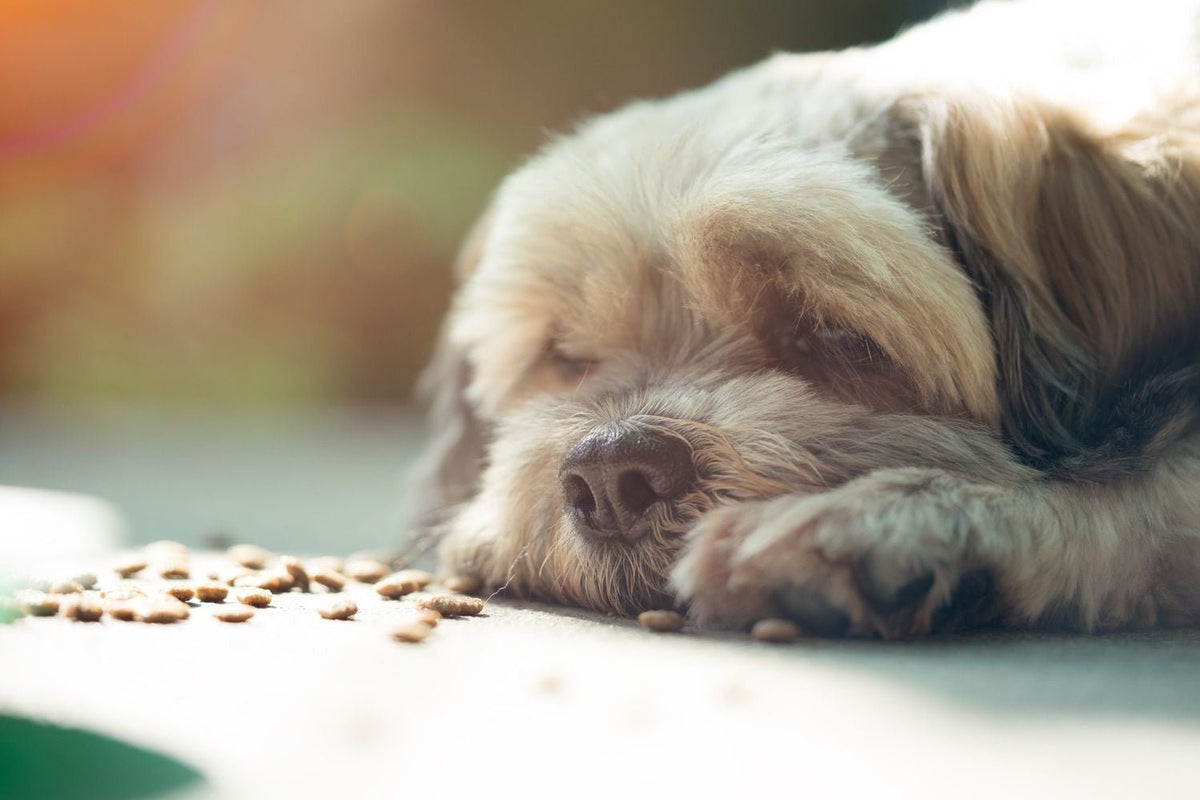

Your dog has barely touched their bowl for two days. You are worried. Is it the food, or something worse? Even with plenty of choices for dog food in Singapore, a sudden loss of appetite can leave you unsure what to try next.
Some dogs skip meals because of routine changes, stale food or learned picky behaviour. However, appetite loss can also signal pain or illness, so you should consider your dog's behaviour as a whole.
Here are five common reasons dogs refuse food, what you can try at home and when you should call your veterinarian.
In this guide:
Reason 1: Picky Eating Habits
Some dogs become selective because they learn that refusing dinner leads to something better.
You serve kibble. Your dog walks away. Worried that they will go hungry, you add treats, meat or food from your plate. Your dog then learns to wait for the upgrade.
What You Can Do
Offer the normal meal for about 20 minutes, then remove the bowl. Serve it again at the next scheduled mealtime.
Keep treats limited between meals and make sure everyone at home follows the same rule. Consistency matters. If one family member quietly offers chicken after every rejected meal, the habit will continue.
Do not use this approach if your dog is unwell, underweight, very young or following a medical diet. Ask your veterinarian for guidance instead.
Reason 2: Stress or Environmental Change
Dogs often lose interest in food when their surroundings feel unfamiliar or overwhelming. Moving house, welcoming a baby, changing a caregiver or altering their walking routine can affect their appetite.
Chinese New Year can be particularly disruptive in Singapore. Visitors, loud conversations and sudden noises may make a normally confident dog anxious.
What You Can Do
Serve meals in the same quiet place at consistent times. Keep visitors and other pets away from the bowl, and avoid hovering while your dog eats.
Appetite may return after two or three days as your dog settles. If it does not, or your dog shows other changes, speak to your veterinarian.
Reason 3: The Food Transition Happened Too Fast
An abrupt change in brand, recipe or protein can cause digestive discomfort. Your dog may then associate the unfamiliar food with feeling unwell.
Switch gradually using this schedule:
| Transition period | Old food | New food |
|---|---|---|
| Days 1 to 3 | 75% | 25% |
| Days 4 to 5 | 50% | 50% |
| Days 6 to 7 | 25% | 75% |
| Day 8 onwards | 0% | 100% |
Slow the transition if your dog develops loose stools or mild digestive upset. Contact your veterinarian if the symptoms persist or become severe.
The stronger aroma and softer texture of wet dog food may appeal to selective dogs, but it should still be introduced gradually. Check that the recipe provides complete and balanced nutrition if you plan to serve it as the main diet.
Reason 4: The Food Is Stale or Stored Poorly
Singapore's heat and humidity can affect opened kibble, especially when the bag sits near a window, cooker or damp service yard.
Stale kibble may smell oily, sour or different from a newly opened bag. Its colour or texture may also change. Your dog's sense of smell is far stronger than yours, so they may reject spoiled food before you notice the problem.
What You Can Do
Keep kibble in its original bag, then place the entire bag inside a clean, airtight container. The packaging helps protect the food and retains the batch number and expiry details if you need them later.
Store it in a cool, dry area and follow the manufacturer's instructions after opening. Buying the largest bag is not always economical if your dog cannot finish it while it remains fresh.
Cover and refrigerate opened wet dog food promptly. Use it within the period stated on the label and discard anything that smells unusual or has remained at room temperature for too long.
When ordering dog food online, choose a suitable pack size rather than focusing only on the lowest cost per kilogram.
Reason 5: An Underlying Health Issue
Not every loss of appetite comes from pickiness. Pain, nausea, infection, medication side effects and other health problems can all make a dog stop eating.
Dental pain is easy to miss. Your dog may approach the bowl but drop kibble, chew on one side or walk away after trying to bite. Softer food may be easier to eat, but a temporary improvement does not confirm the cause or replace a dental examination.
When to Contact Your Veterinarian
Seek veterinary advice promptly if your dog refuses food and also shows:
- Vomiting or diarrhoea
- Lethargy or weakness
- Weight loss
- Abdominal swelling or pain
- Difficulty chewing or swallowing
- Excessive drooling
- Changes in drinking or urination
Do not automatically wait 48 hours. Puppies, senior dogs and dogs with existing health conditions can deteriorate faster. Even a healthy adult dog should receive veterinary attention if total food refusal continues or you have any concern about their condition.
Helping Your Dog Enjoy Mealtimes Again
Food refusal sometimes improves once you restore a consistent routine, transition gradually or replace a stale bag. Stay patient and pay attention to the wider picture. A bright, active dog that skips one meal presents a different situation from one that appears weak, painful or nauseous.
Avoid changing foods repeatedly whenever your dog walks away. Too many quick switches can upset digestion and make it difficult to identify what works.
If you need another recipe or texture, Superpets carries a broad selection of dry and wet dog food. You can compare options in-store or order dog food online for home delivery.
Keeping your dog in good overall health — including regular grooming — can also help you notice changes in appetite or energy earlier. See our guide on how often to groom your dog or cat in Singapore for a practical care routine.
Frequently Asked Questions
How long can a dog safely go without eating? +
There is no single safe timeframe for every dog. Contact a veterinarian sooner if your dog is young, elderly, unwell or showing other symptoms. Do not let complete food refusal continue without professional advice.
Should I add toppings to my dog's kibble? +
A suitable topper can help during a planned transition, but adding something tastier after every rejected meal may reinforce picky behaviour. Keep the overall diet nutritionally balanced.
Is it normal for dogs to skip a meal in Singapore's heat? +
High temperatures can reduce appetite in some dogs. Keep fresh water available and feed in a cool area. Speak to a veterinarian if appetite loss continues or comes with lethargy, vomiting or other changes.
Can I switch from dry to wet food permanently? +
Yes, provided the chosen food offers complete and balanced nutrition for your dog's age and needs. Transition gradually and adjust the portion to avoid overfeeding.
What dog food brands are good for picky eaters? +
No brand suits every dog. Consider your dog's age, size, dietary needs and preferred texture. Superpets stocks various options for dog food in Singapore, and our team can help you compare suitable choices.
Looking for a meal your selective dog may enjoy? Shop Superpets' dog food range or visit one of our Singapore outlets for a recommendation.